AI automation is often described as a shortcut to productivity, but that description is too narrow for businesses that are trying to operate at a higher level. In practice, AI automation becomes valuable when it improves how work moves through a business. It can help teams reduce repetitive tasks, support better decisions, standardize execution, and create systems that remain useful as the business grows. That is why AI automation should not be viewed only as a content tool or a chatbot trend. It should be understood as part of digital operations.
Digital operations include the workflows, reporting structures, communication habits, and execution processes that keep a business running every day. When those systems are weak, teams lose time in handoffs, follow-up work, unclear priorities, and fragmented reporting. When those systems are strong, businesses become easier to manage, easier to scale, and more resilient when demands increase. AI automation helps create that strength by turning recurring work into structured systems.
What AI automation means in a business operations context
AI automation is the use of artificial intelligence inside a repeatable workflow. Instead of relying on people to perform the same manual steps every day, businesses can use AI-supported systems to handle part of the process, assist the decision, or prepare the output for faster review. This can include drafting content, organizing data, summarizing reports, routing tasks, checking information, or supporting multilingual execution across customer-facing and internal operations.
The key point is that automation alone is not enough. A business does not become more efficient just because one task is faster. Efficiency improves when the workflow itself becomes clearer. For example, if a team generates a report faster but still spends hours finding the right data, confirming the format, and rewriting insights for different stakeholders, the real operational problem remains. AI automation works best when it is designed around the workflow, not inserted as an isolated feature.
How AI supports digital operations beyond simple task automation
Strong digital operations depend on reliability. Teams need to know where information lives, who is responsible for the next action, how reporting is shared, and what standards define a completed task. AI can support these needs in several ways. It can reduce time spent on repetitive work, help normalize data and content formats, speed up knowledge transfer, and support faster coordination across functions.
Consider an operations team managing content publishing, e-commerce product updates, analytics reporting, and customer communication. Each function may use different tools, different timelines, and different approval steps. Without a connected system, the business relies heavily on memory and manual follow-through. AI automation can help by generating structured drafts, preparing summaries, flagging missing information, and supporting standard operating procedures that keep execution consistent.
Workflow systems are the real multiplier
The biggest operational gains usually come from workflow systems rather than one-off automations. A workflow system connects multiple actions into a repeatable path. It defines inputs, outputs, review points, and next steps. When AI is embedded into that structure, teams gain both speed and clarity.
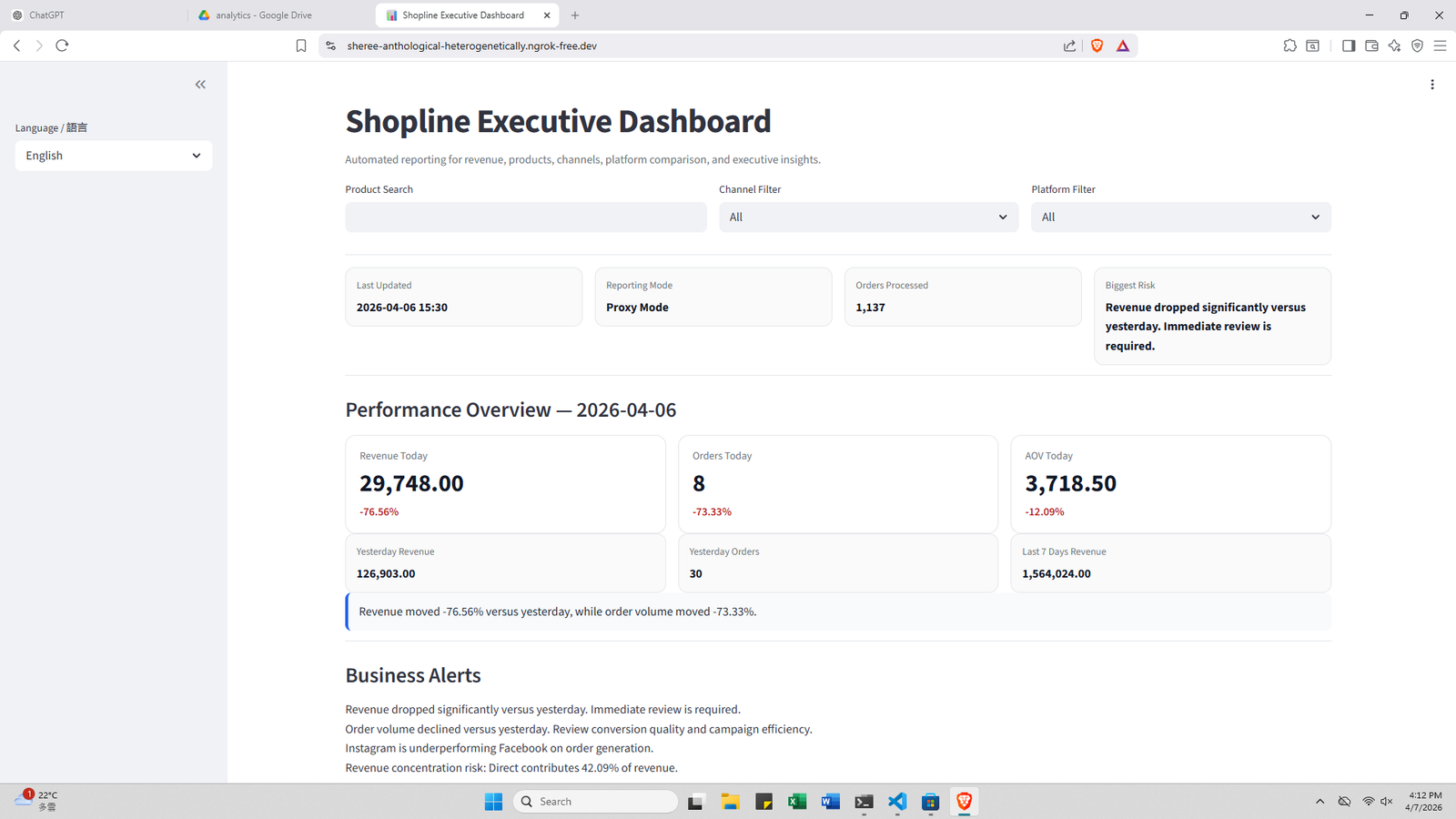
For example, a workflow system for weekly reporting may collect data from analytics platforms, organize it into a standard structure, generate a first-draft summary, and send it to the right stakeholder for review. A workflow system for content operations may take a topic brief, produce a structured outline, assist with multilingual adaptation, check keyword coverage, and schedule the next approval step. These systems reduce context-switching and help people focus on judgment instead of repetitive formatting.
Signs a workflow is ready for AI automation
- The task happens frequently and follows a recognizable structure.
- The team loses time collecting, cleaning, or reformatting information.
- Different people complete the same task in inconsistent ways.
- Reporting, publishing, or approvals depend too much on memory and manual follow-up.
- The business needs faster execution without sacrificing quality control.
Why AI automation matters for e-commerce operations
E-commerce businesses deal with constant operational movement. Product information changes, promotional campaigns shift, content must be updated, customer questions continue, and performance data needs frequent review. When these tasks are handled manually, teams often become reactive. They spend more time keeping up than improving the system.
AI automation can support e-commerce operations by helping businesses manage product content, reporting summaries, internal task routing, campaign coordination, and multilingual store execution. It can also improve the consistency of backend handling, which is often where scale becomes difficult. If product listings, campaign notes, and reporting outputs follow clearer templates, the team can work faster with fewer avoidable errors.
This does not mean automation should replace operational judgment. Product accuracy, pricing decisions, brand positioning, and customer trust still require human ownership. The value of AI is that it can handle the repetitive structure around the work, which gives teams more room to focus on strategic and quality-sensitive decisions.
SEO systems benefit from operational discipline
SEO performance is not only a content issue. It is an operational issue. Businesses often struggle with SEO because publishing is inconsistent, page structure is incomplete, internal linking is weak, or reporting does not connect content activity to business outcomes. AI automation can support SEO systems when it is used to reinforce process quality rather than generate generic text at scale.
A stronger SEO system may include article planning, on-page structure review, internal linking checks, metadata consistency, content refresh workflows, and reporting summaries that explain what changed and why it matters. AI can help teams prepare outlines, organize briefs, classify content opportunities, and create first-draft reporting notes. But the authority comes from the system: clear topics, consistent publishing standards, and useful content that is aligned with business goals.
This is especially important for service-based websites that want to build authority over time. Publishing useful content about operations, automation, reporting, and business workflows helps search engines and users understand the depth of the expertise behind the site. That is why connecting SEO systems to operational expertise is more powerful than treating content as a separate marketing activity.
Multilingual digital operations require structured execution
Businesses that operate across languages face an additional layer of complexity. Content, customer communication, internal notes, and operational instructions may all need to move across language boundaries. Without a system, multilingual work can slow down execution, create inconsistencies, and increase the risk of errors.
AI automation can support multilingual digital operations by helping teams prepare structured source content, standardize terminology, assist with translation drafts, and keep repeated communication aligned. The benefit is not only speed. It is also operational consistency. When multilingual workflows are built into the system from the beginning, businesses can expand communication capacity without relying on improvised processes each time a new request appears.
This matters for international businesses, e-commerce stores, and cross-market teams that need smooth coordination across customer-facing and internal channels. A multilingual system is not just about language accuracy. It is about keeping the workflow efficient while protecting clarity and trust.
Analytics and reporting become more useful when the workflow is stronger
Many businesses collect data but still struggle to make it operationally useful. Reports may exist, but they arrive late, contain too much noise, or fail to connect performance to action. AI automation can improve this by speeding up report preparation, organizing recurring metrics, and creating clearer first-draft summaries. However, the real advantage appears when reporting is part of a larger operational loop.
A good reporting system does more than describe what happened. It helps the team decide what to do next. That means the workflow should connect data collection, interpretation, communication, and follow-up action. AI can support each step by preparing structured inputs, detecting recurring patterns, and reducing manual preparation time. This creates more space for meaningful analysis and faster decision-making.
Businesses that want better efficiency should pay attention to how reporting moves through the organization. If a team spends hours building dashboards but never turns the insights into operational changes, the system is incomplete. AI automation helps most when it supports the transition from information to action.
Business efficiency comes from system design, not just faster outputs
Efficiency is often misunderstood as doing the same work faster. In reality, durable efficiency comes from reducing unnecessary steps, improving consistency, and making decision paths clearer. AI automation contributes to that outcome when it is embedded inside a system with clear logic.
For example, if a business uses AI to generate a draft but has no clear review standards, the time savings may be lost during correction. If AI helps summarize reports but no one knows who owns the next action, speed alone does not improve the business. That is why operational design matters. Teams need defined workflows, clear inputs, accountable review points, and measurable objectives. AI automation amplifies those strengths, but it does not replace them.
Scalable systems are built with operational maturity in mind
One of the best reasons to invest in AI automation is scalability. As a business grows, manual processes become harder to control. More products, more campaigns, more stakeholders, and more reporting needs create more friction. What worked for a small team starts to break under higher volume.
Scalable systems solve that problem by creating a repeatable structure that can handle growth without requiring the same level of manual effort for every task. AI helps by assisting with routine preparation, classification, formatting, and draft creation. But scale is only sustainable when the business also invests in process clarity. That includes naming conventions, approval paths, documentation, and reporting standards.
Businesses that treat automation as part of system design usually gain more long-term value than businesses that treat it as a collection of disconnected shortcuts. The difference becomes clear over time. One approach creates stability and leverage. The other creates scattered tools without operational coherence.
How to start building a stronger AI automation foundation
Businesses do not need to automate everything at once. A better approach is to start with one operational area where the workflow is repetitive, important, and currently inefficient. Reporting, content operations, e-commerce coordination, or multilingual execution are often good candidates. The first step is to understand the workflow clearly: what triggers it, what information is needed, where delays happen, and how quality is reviewed.
From there, the business can identify which steps are best handled by automation, which steps need human review, and what standards define success. This creates a system that is practical rather than experimental. Once one workflow becomes stable, the same logic can be applied to adjacent processes.
If you want to see how these ideas connect to service design, you can review the services page for structured support areas, explore the projects page for system-led execution examples, and read more about the cross-market operating perspective on the about page. If you already know the workflow problem you want to solve, the fastest path is to start a conversation through the contact section.
Conclusion
AI automation improves digital operations when it is used to strengthen workflow systems, not just speed up isolated tasks. It helps businesses reduce manual work, organize multilingual execution, support SEO systems, improve e-commerce coordination, and make analytics more actionable. But the real value comes from operational clarity. Businesses that combine automation with stronger systems are better positioned to scale with consistency, visibility, and control.
For modern businesses, that is the real opportunity. AI is not only about faster output. It is about building a cleaner operating structure for the work that matters every day.
Work With Me
Need help building a cleaner automation or operations system?
I help businesses build practical AI automation, workflow systems, reporting structures, SEO systems, and multilingual digital operations that are designed for real execution.